Shi Meaning Slang is becoming popular across chats, TikTok, and social media in 2026. This guide explains Shi Mean Slang in simple words and shows how people use this modern expression online. Shi Meaning Slang can change based on tone and context, making it an interesting part of digital communication.
Many readers ask what does type shi mean because this phrase appears in everyday conversations. It connects with trends like edge meaning slang and other viral phrases. People also search topics like my roman empire meaning to understand popular internet language and expressions.
Shi Meaning Slang is not only about words; it reflects feelings and reactions too. From smiles for chocolate to smiles for happiness, language shows creativity and emotion. Learning Shi Meaning Slang helps you understand casual chats and modern slang better. This simple guide covers its real use.
What Does “Shi” Mean in Slang?
The word “Shi” is a popular slang expression used in online chats, social media, and casual conversations. It is often used as a shortened version of a stronger word and can express different feelings depending on the situation.
In most cases, Shi Meaning Slang shows surprise, agreement, excitement, or emphasis. However, its meaning can change based on the person, platform, and conversation tone.
Simple Definition:
“Shi” is a casual slang word people use to react, express emotions, or add emphasis in modern conversations.
Example:
“That song is actually fire.”
“Shi, you’re right.”
Here, “Shi” shows a quick reaction and adds emotion without needing a long reply.
Evolution of “Type Shi” (Why It’s Trending in 2026)
The phrase “Type Shi” has become a popular part of modern internet slang and Gen Z slang. It comes from “Type shit”, but people often shorten it to make conversations faster and smoother.
In earlier years, phrases like “fr,” “bet,” and “say less” were common in online chats. However, 2026 slang trends show that people now prefer shorter expressions that still carry strong emotions.
Type Shi became popular because:
- It feels natural in casual conversations
- It matches the aesthetic texting culture
- It creates a relaxed and confident tone
- It helps people show agreement without writing long replies
The phrase is commonly seen on TikTok slang, Snapchat slang, Instagram slang, and other social media platforms. It fits perfectly with today’s short-form communication style, where people use fewer words but still express their feelings clearly.
For example:
“I’m just working on myself and staying lowkey.”
“Yeah, Type Shi.”
Here, Type Shi shows a shared vibe and understanding. It works as a casual expression that connects people during everyday conversations.
The rise of Shi Meaning Slang also shows how slang culture keeps changing. As digital communication grows, new phrases continue to shape online language, making modern conversations quicker, more expressive, and more relatable.
Tone and Emotional Nuance of “Type Shi”
Understanding the tone of slang is important because Type Shi can carry different feelings depending on the situation. It is not just a simple reply. The phrase adds emotional nuance and helps people show their reaction without using many words.
In most conversations, Type Shi gives a relaxed, relatable, and confident feeling. It can show agreement, support, or a shared mood. The meaning changes based on the conversation tone and the person using it.
1. Casual Agreement
Type Shi is often used to agree with someone in a simple and natural way. It shows that you understand or feel the same way.
Example:
“I just want peace and no drama.”
“Type Shi.”
Here, the phrase means “I feel that” or “Exactly.” It creates a quick connection between people.
2. Relatable Mood
People also use Type Shi when something feels personally relatable. It helps express a shared experience or similar feeling.
Example:
“I’ve been staying quiet and focusing on myself.”
“Type Shi…”
In this case, it shows shared understanding without needing a long explanation.
3. Subtle Validation
Sometimes, Type Shi works as a form of subtle validation. It supports someone’s opinion while keeping the conversation casual.
Example:
“Real growth takes time.”
“Type Shi. That’s real.”
The phrase adds agreement while maintaining a relaxed communication style.
4. Chill Confidence
Another common use of Type Shi is to show a calm and confident attitude. It fits well with modern texting language and casual online conversations.
Example:
“I’m just doing my own thing.”
“Type Shi.”
Here, it gives a feeling of independence and confidence without sounding too serious. This is why Type Shi remains popular in social media slang and everyday digital communication.
When Should You Use “Type Shi”?
Knowing when to use Type Shi helps you sound more natural in online conversations. This phrase works best in casual situations where people share thoughts, feelings, or reactions.
Type Shi is common in text slang, social media slang, and everyday chats because it creates a relaxed and friendly tone. However, it may not fit every situation. The right use depends on the audience, platform, and conversation style.
Use it when:
- You want to agree with someone quickly
- You want to show a shared feeling or opinion
- You are having a casual conversation with friends
- You want to match a relaxed online vibe
- You are responding to a relatable situation
Example:
“I’m just trying to stay lowkey and focus on myself.”
“Type Shi.”
Here, Type Shi shows agreement and a similar mindset without adding a long reply.
Avoid it when:
- Writing professional emails
- Communicating in a workplace setting
- Speaking in academic communication
- Talking with someone who may not understand modern slang
For formal situations, it’s better to use professional alternatives or polite alternatives like “I understand your point” or “That makes sense.”
The meaning of Type Shi depends on context-based meanings and communication style. Using it in the right place makes your conversation feel natural, while using it in the wrong setting can make your message seem unclear or too informal.
What Does “IKYFL” Mean in 2026 Slang?
Another popular term in 2026 slang trends is “IKYFL.” This phrase appears often in text slang, social media slang, and online conversations when people want to show a strong reaction.
Full Form:
IKYFL = “I Know You F*cking Lyin’”
Meaning:
IKYFL is used to express shock, disbelief, or surprise when someone says something that sounds unbelievable. It can also be used for calling someone out in a funny or serious way.
The phrase is a type of reaction slang that shows an emotional response without needing a long explanation.
Tone:
The tone of IKYFL depends on the situation. It can feel playful between friends or sound more confrontational when someone is being questioned.
People often use it after surprising statements, unexpected news, or unbelievable stories.
Example:
“You spent $500 on that?”
“IKYFL 💀”
Here, IKYFL shows a shock reaction and disbelief expression. The 💀 emoji meaning adds extra emotion and makes the reaction feel more dramatic.
Like other viral internet terms, IKYFL has become part of modern online language. It shows how people use short phrases and reaction emojis to express feelings quickly in digital communication.
Difference Between “Type Shi” and “IKYFL”
Type Shi and IKYFL are both popular internet slang terms, but they express completely different emotions. While one shows agreement and connection, the other shows surprise or disbelief.
These phrases have different meanings based on context-based meanings, conversation tone, and the situation where people use them.
Quick Comparison:
| Slang Term | Meaning | Tone | Used For |
| Type Shi | Shows agreement, shared feelings, or a similar vibe | Calm, relaxed, and supportive | Casual agreement and relatable moments |
| IKYFL | Means “I Know You F*cking Lyin’” | Surprised, shocked, or playful | Reacting to unbelievable statements |
Type Shi is usually a positive and chill expression. People use it when they relate to someone’s words or want to show shared understanding.
Example:
“I’m just focusing on myself and staying lowkey.”
“Type Shi.”
Here, the phrase means “I feel that” or “same vibe.”
On the other hand, IKYFL is a stronger reaction phrase. It works as reaction slang when someone hears something surprising or hard to believe.
Example:
“You bought a new phone for $2,000?”
“IKYFL 💀”
In this case, IKYFL shows a shock reaction and disbelief expression.
Both phrases are part of modern Gen Z slang and digital communication, but they fit different moments. Use Type Shi for connection and agreement. Use IKYFL when you want to react with surprise or disbelief.
Polite, Professional & Casual Alternatives
Even though Shi Meaning Slang and phrases like Type Shi are common in casual conversations, they don’t work in every situation. Knowing different alternatives helps you adjust your communication style based on the person, platform, and setting.
Using the right words improves your language adaptation and makes your conversations feel more natural. Friends may understand slang easily, but professional or formal situations usually need clearer expressions.
Casual Alternatives:
In everyday conversations, you can replace Type Shi with simple phrases that show agreement or connection.
- “I feel that”
- “Same here”
- “Exactly”
- “That’s real”
- “For real”
Example:
“I just want to focus on myself this year.”
“I feel that.”
These phrases work well in casual conversation, texting, and online chats.
Polite Alternatives:
When talking with people you don’t know well, polite phrases create a more respectful tone.
- “I understand your point”
- “That makes sense”
- “I can relate to that”
- “I agree with you”
Example:
“I think taking breaks helps with stress.”
“That makes sense.”
These options fit better in normal discussions where you want to sound friendly but respectful.
Professional Alternatives:
In professional communication, workplace communication, or formal settings, slang should usually be avoided. Instead, use clear and professional expressions.
- “That aligns with my perspective”
- “I completely understand”
- “That’s a valid point”
- “I share the same viewpoint”
Example:
“I believe this strategy can improve results.”
“I share the same viewpoint.”
Choosing between Shi Meaning Slang alternatives, polite phrases, and professional language depends on the audience and situation. Good communication means knowing when to use modern expressions and when to switch to formal language.
How to Choose the Right Alternative Based on Context
Choosing the right phrase depends on the situation, the person you’re talking to, and the message you want to share. A phrase that works in a friend’s chat may not fit in a workplace conversation.
Understanding communication context helps you pick the right words. Whether you use Type Shi, a casual phrase, or a professional alternative depends on your audience, platform, and emotion.
1. Audience
The person you’re talking to plays an important role in choosing your words.
- Friends → Use slang and casual expressions
- Colleagues → Use neutral language
- Boss or clients → Use professional communication
Example:
Friend: “I’m just trying to stay focused.”
Reply: “Type Shi.”
Work conversation: “I’m working on improving my skills.”
Reply: “I understand your point.”
2. Platform
The platform also affects your conversation tone. Different messaging platforms have different communication styles.
- Texting → Type Shi works well in casual chats
- TikTok, Snapchat, Instagram → Modern slang is common
- Email → Use formal and professional language
Social media allows more relaxed online conversations, while professional platforms usually require clearer wording.
3. Emotion
Your emotion also decides which phrase feels natural. Slang often carries more feeling than simple words.
- Relaxed mood → “Type Shi”
- Surprised reaction → “IKYFL”
- Agreement → “I feel that” or “Exactly”
- Formal response → “I understand”
The right choice creates better social interaction and makes your message feel authentic. Whether you use modern expressions or traditional phrases, matching your words with the situation is the key to effective communication.
10 Best Real-Life Examples (Optimized & Stylish)
Seeing Type Shi and IKYFL in real conversations makes their meaning much easier to understand. These examples show how people use these popular chat phrases in everyday conversations, social media replies, and casual texting.
1. Showing Agreement
“I just want peace and no drama in my life.”
“Type Shi… that’s all we need.”
Here, Type Shi shows a relatable feeling and shared understanding.
2. Talking About Personal Growth
“I’ve been focusing on myself lately.”
“Type Shi. Growth mindset.”
The phrase adds a supportive and positive tone.
3. Staying Independent
“This year I’m not chasing anyone.”
“Type Shi 💯”
The 💯 emoji meaning adds confidence and shows strong agreement.
4. Calling Out Fake Behavior
“I’m tired of fake people around me.”
“Type Shi… real ones only.”
This use creates an emotional connection between people who share the same mindset.
5. Reacting to a Surprising Price
“They charged $200 for that?”
“IKYFL 😭”
Here, IKYFL shows a shock reaction and disbelief.
6. Responding to an Old Promise
“He said he’ll change again.”
“IKYFL… not again.”
The phrase expresses doubt and a playful reaction.
7. Sharing a Lowkey Lifestyle
“I just wanna stay lowkey and save money.”
“Type Shi. Smart moves.”
This example shows how Type Shi fits into modern Gen Z communication style.
8. Reacting to Something Unbelievable
“You really stayed awake all night for that?”
“IKYFL 💀”
The 💀 emoji meaning makes the reaction feel more dramatic and funny.
9. Relating to Someone’s Feelings
“I don’t trust people easily anymore.”
“Type Shi… same here.”
The phrase creates a feeling of connection and shared experience.
10. Questioning Someone’s Choice
“They actually think that’s okay?”
“IKYFL… that’s wild.”
Here, IKYFL works as a strong reaction to something surprising.
These real-life slang examples show how modern texting language works. Whether someone uses Type Shi for agreement or IKYFL for disbelief, the meaning depends on the tone of slang, situation, and relationship between people.
Why Slang Like “Type Shi” Matters in Modern Communication
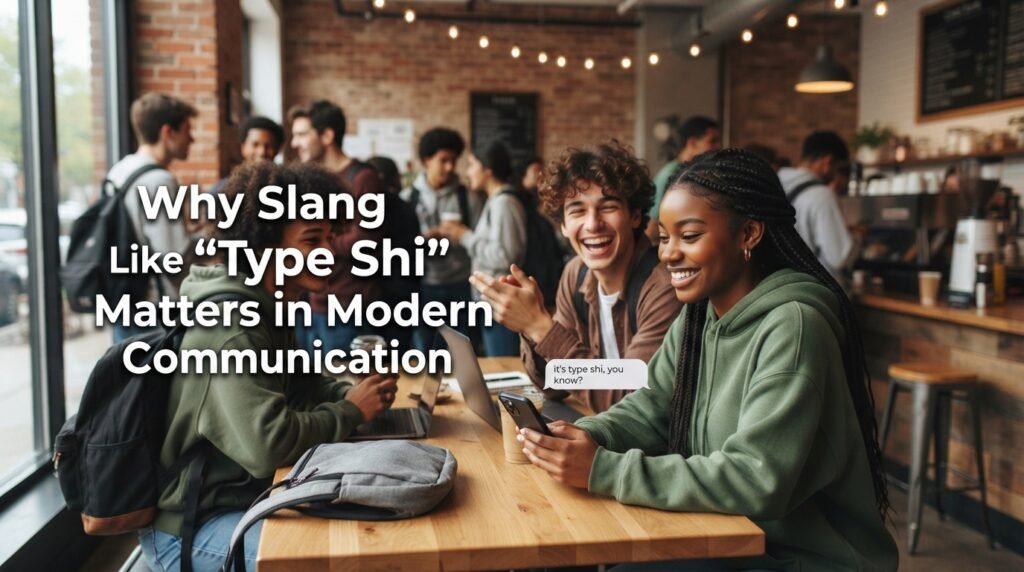
Slang is no longer just a casual way of speaking. Today, phrases like Type Shi have become part of modern digital communication and internet culture. These expressions help people share feelings, reactions, and ideas quickly.
In 2026, Shi Meaning Slang words will play an important role in how people connect online. Short phrases can carry emotions that would normally need several sentences to explain.
Slang helps people:
- Connect faster during conversations
- Express emotions in a simple way
- Create a sense of belonging
- Match the style of online communities
- Build a stronger digital identity
For many users, Type Shi is more than just a phrase. It works as a cultural identity marker that shows familiarity with modern online conversations and youth language trends.
Using the right slang at the right time can:
- Improve your communication style
- Make your messages feel more natural
- Help you understand evolving language
- Create better social interactions
However, slang also depends on the situation. A phrase that feels perfect in a friend’s chat may not work in professional communication or formal settings.
The growth of Type Shi shows how language keeps changing. As online language and digital trends continue to grow, new expressions will keep shaping the way people communicate, react, and connect with each other.
Advanced Usage Tips (Pro-Level Insights)
To use Type Shi naturally, you need to understand its timing, tone, and purpose. Like other internet slang phrases, it works best when it matches the energy of the conversation.
Using slang is not only about knowing the meaning. It is also about understanding communication style, context-based meanings, and how people express emotions in modern conversations.
1. Don’t Overuse It
Using Type Shi in every message can make your conversations feel repetitive. Slang works better when you use it naturally instead of forcing it.
A good rule is to use it when you genuinely relate to something or want to show agreement.
Example:
“I’m just trying to improve myself this year.”
“Type Shi.”
Here, it feels natural because the phrase matches the message.
2. Combine with Emojis
Emoji communication can change the feeling of slang. Adding the right emoji helps show the exact emotion behind your message.
Examples:
- “Type Shi 💯” → Shows confidence and strong agreement
- “Type Shi 😔” → Shows an emotional or serious feeling
- “IKYFL 💀” → Shows a dramatic or funny reaction
The right emoji tone makes your message clearer.
3. Pair with Short Phrases
Type Shi works well with short phrases because modern short-form communication focuses on quick but meaningful replies.
Examples:
- “Type Shi… that’s real.”
- “Type Shi, same here.”
- “Type Shi, I feel that.”
These combinations create a more natural texting style.
4. Match the Energy
Always pay attention to the other person’s mood. If someone is serious, keep your response respectful. If they are joking, a playful reply works better.
Matching the conversation energy helps you sound more authentic and improves your texting etiquette.
The best way to use Type Shi is to keep it simple. When used correctly, it can make casual conversations feel smoother, more relatable, and connected to modern Gen Z slang culture.
Common Mistakes to Avoid
Using Type Shi correctly helps you sound natural in online conversations. However, some common mistakes can make the phrase feel confusing or out of place.
Avoid these mistakes when using modern internet slang:
- Using it in formal writing
- Avoid using Type Shi in professional emails, workplace communication, or academic communication.
- Use clear phrases like “I understand” or “That makes sense” in formal situations.
- Misunderstanding the tone
- Type Shi usually shows agreement, connection, or a relatable feeling.
- It is not meant to sound aggressive or disrespectful.
- Overusing it in every reply
- Repeating the same slang word too often can make conversations feel unnatural.
- Use it only when it matches the mood and message.
- Using it with people unfamiliar with slang
- Some people may not understand modern text slang or Gen Z slang.
- Consider your audience before using casual expressions.
- Ignoring the conversation context
- The meaning of Type Shi changes depending on the situation, platform, and relationship.
- Always match your words with the right communication context.
Using slang at the right time makes your messages feel more authentic and helps you communicate better in modern conversations.
The Future of Slang Communication
The future of slang communication is moving toward shorter, faster, and more expressive language. As digital communication continues to grow, people are creating new phrases that help them share emotions quickly.
By 2026 and beyond, online conversations will continue to focus on:
- Shorter expressions
- Emotion-driven phrases
- Context-based meanings
- Faster replies
- More creative ways of communicating
Modern phrases like Type Shi show how slang evolution is changing everyday language. Instead of writing long explanations, people now use small expressions to share feelings, reactions, and opinions.
The growth of social media slang, chat language, and online communities has made slang a major part of modern conversations. Platforms like TikTok, Instagram, Snapchat, and gaming spaces continue to introduce new viral phrases that spread quickly.
This change does not mean traditional language is disappearing. Instead, people are learning to switch between casual expressions and formal language depending on the situation.
As language keeps evolving, slang will remain an important part of internet culture, helping people build connections and express their identity in a fast-changing digital world.
FAQ’s
What does Shi mean in texting?
Shi Meaning Slang refers to a casual online expression used to show surprise, agreement, excitement, or emphasis in conversations.
Is Shi a bad word?
Shi Mean Slang can come from a stronger word, but people often use it as a softer version in casual chats.
What does Type Shi mean?
Type Shi means agreement, shared feelings, or a similar vibe. It shows that someone relates to another person’s statement.
Where is Shi slang commonly used?
Shi Meaning Slang appears on TikTok, Instagram, Snapchat, gaming chats, and other platforms where modern slang spreads quickly.
What is the difference between Shi and IKYFL?
Shi Mean Slang shows agreement or connection, while IKYFL expresses shock, disbelief, or a strong reaction.
Can I use Shi in professional conversations?
Shi Meaning Slang is mainly for casual communication. Avoid it in emails, workplace messages, or formal discussions.
Why is Shi popular in 2026?
Shi Meaning Slang is popular because Gen Z uses short phrases to express emotions quickly in modern digital conversations.
Conclusion
Understanding Shi Meaning Slang helps people follow modern online conversations better. Shi Mean Slang shows how short phrases can express feelings like agreement, surprise, and excitement. This guide makes Shi Meaning Slang easier to understand in daily chats and social media.
Many users ask what does type shi mean because this phrase appears often online. Related searches like edge meaning slang and my roman empire meaning show how people enjoy learning internet expressions. Shi Meaning Slang connects with creative language topics like similes for chocolate and similes for happiness too.
In the end, Shi Meaning Slang reflects changing communication habits. It helps people understand Gen Z slang and modern conversations easily. Learning Shi Mean Slang also explains why short phrases matter today. Whether chatting with friends or exploring trends, this slang knowledge keeps communication simple, clear, and more natural online.